


From Functional Drinkware to Lifestyle Products
The insulated drinkware market has moved beyond a simple competition around insulation performance. Product design, usage scenarios, brand positioning, and the way consumers connect with a product have become increasingly important.
Stanley, YETI, and Owala illustrate three different approaches within this broader shift. Their products and brand strategies highlight several directions that continue to shape the drinkware category: lifestyle positioning, performance, and product innovation.
Stanley: Expanding Drinkware into Everyday Life
Stanley has more than a century of history in durable drinkware. In recent years, the brand has expanded its positioning around hydration, everyday use, design, and lifestyle. Its current product portfolio spans tumblers, bottles, coffee and tea products, and other categories, while the brand describes itself as a lifestyle brand built on a foundation of durability and invention.
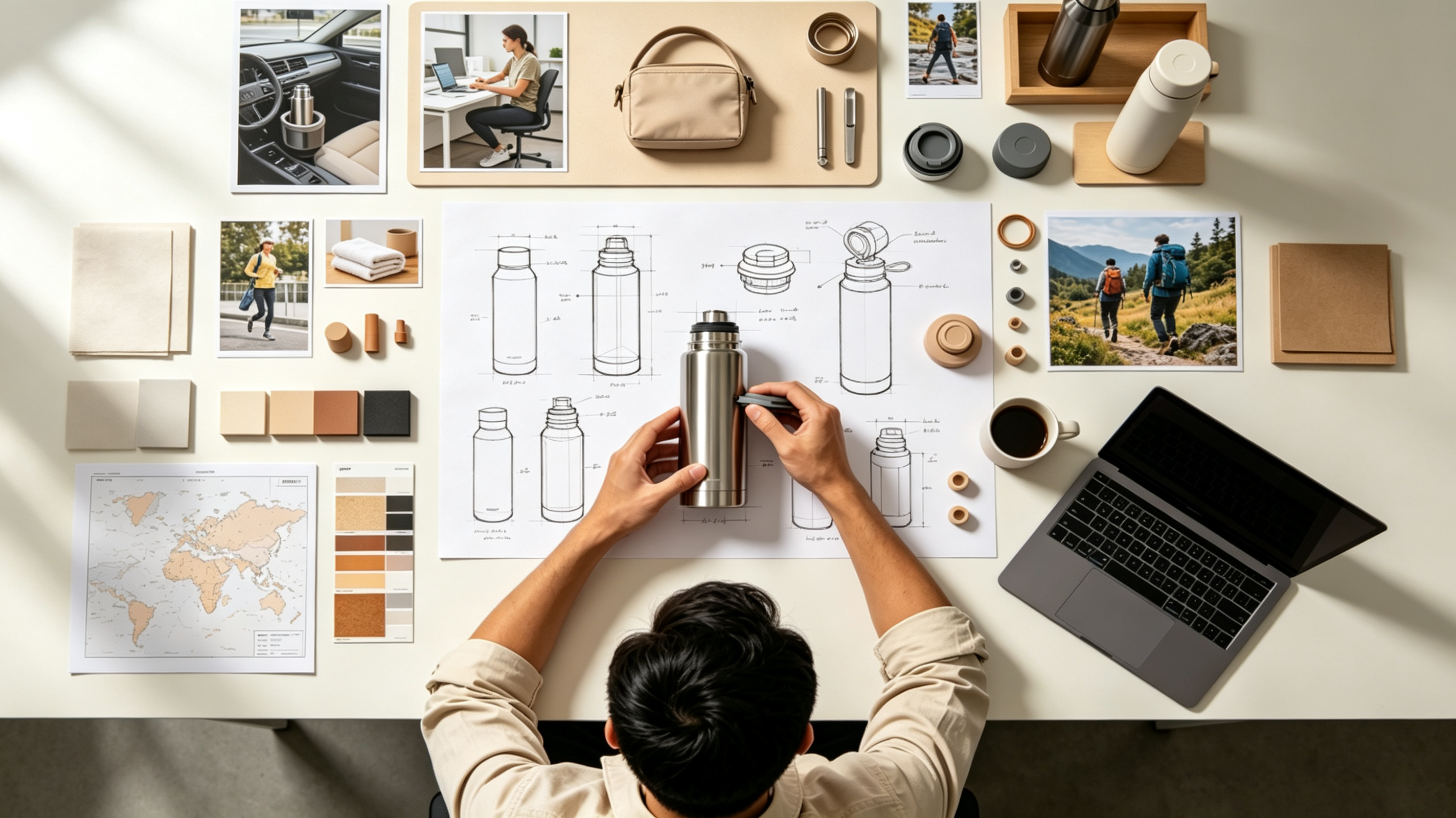
The Quencher is a clear example of how an insulated tumbler can move beyond traditional outdoor applications. Stanley's own marketing connects its drinkware with settings ranging from yoga and the gym to meetings and weekend activities, while color, finishes, collaborations, and social content play a visible role in the product experience.
What the Market Shows
The Stanley example reflects a broader shift in the category: a product can gain relevance when its design and positioning fit naturally into everyday routines and lifestyle preferences, rather than being defined only by its technical function.
For brands, this means usage scenario and visual identity can be just as important as product performance when developing a new drinkware line.
YETI: Building Around Performance and Durability
YETI has developed a strong association with outdoor performance, durability, and long-term product use. Its Rambler drinkware range covers bottles, tumblers, mugs, and other formats designed around different outdoor and everyday applications. The brand continues to emphasize durable construction, vacuum insulation, leak-resistant designs, and practical features such as handles, wide openings, and interchangeable lids.
YETI's product and testing information also places considerable emphasis on material safety, durability testing, and compliance across different markets.
What the Market Shows
YETI demonstrates another path within the category: clear positioning supported by consistent product performance.
For brands targeting outdoor, travel, or other demanding applications, establishing a recognizable product promise can help guide decisions around materials, structure, insulation, durability, accessories, and testing.
Owala: Product Innovation Through Usability
Owala represents a different route to differentiation. Its FreeSip bottle combines a straw-like drinking experience with a direct-drinking option within the same lid structure, addressing a straightforward everyday usability need. The product is also available in a broad range of colors and finishes, making the functional design part of its visual identity.
What the Market Shows
Owala illustrates how small structural changes can create a noticeably different user experience. Innovation does not always require a completely new bottle architecture. Improvements to a lid, drinking opening, handle, carrying mechanism, or accessory can give an established product category a new point of differentiation.
For OEM and ODM development, this is particularly relevant because component-level innovation can sometimes create meaningful product differences without requiring an entirely new platform.
Three Directions in Drinkware Development
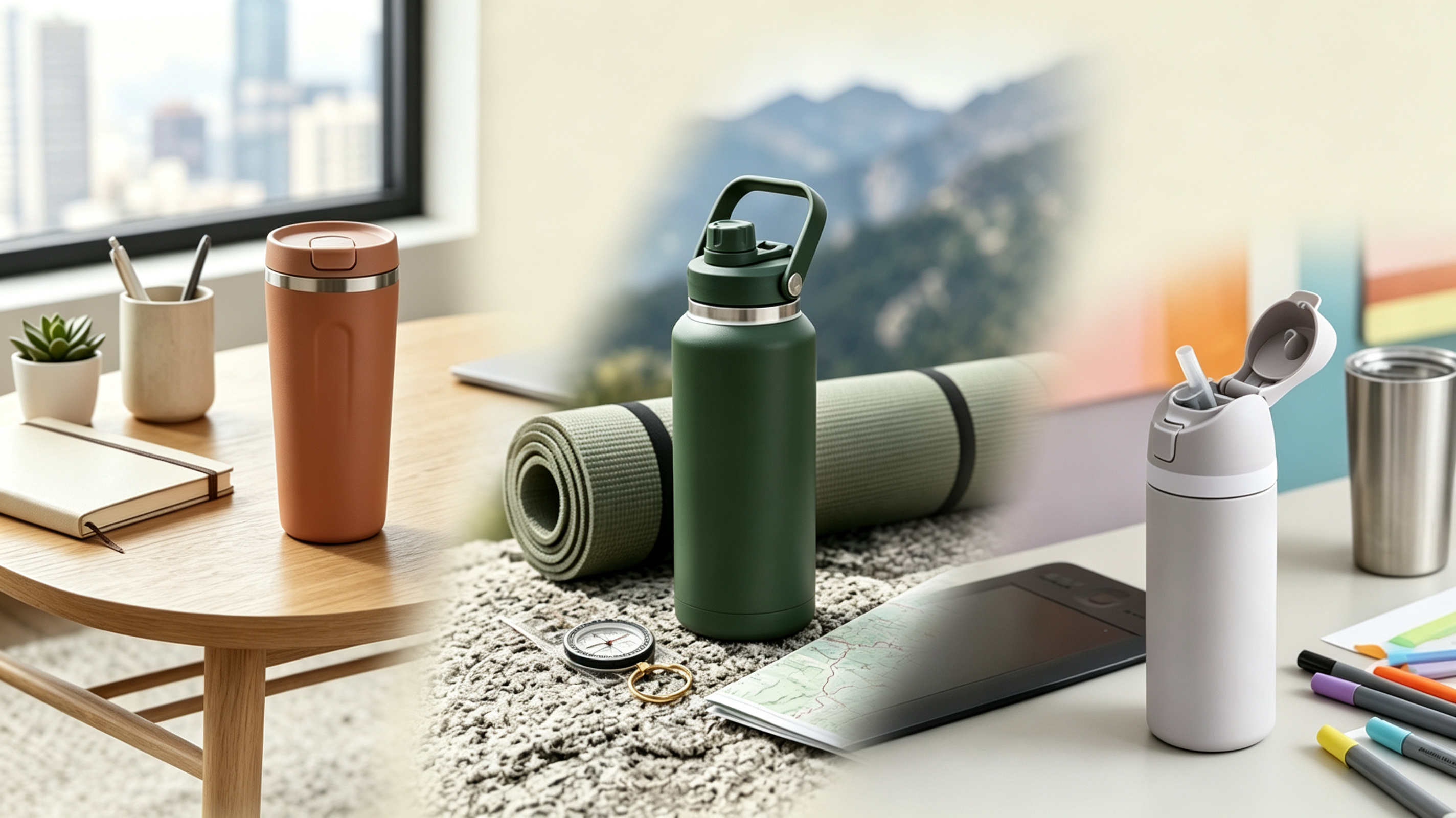
Looking across these leading brands, three broad approaches stand out:
|
Brand |
Development Direction |
Product Focus |
|
Stanley |
Lifestyle positioning |
Everyday use, design, community, and visual identity |
|
YETI |
Performance positioning |
Durability, insulation, outdoor use, and reliability |
|
Owala |
Functional innovation |
Lid design, drinking experience, usability, and visual differentiation |
These approaches are not mutually exclusive. A drinkware brand can combine strong performance with distinctive design and a clearly defined lifestyle or usage scenario.
What This Means for New Product Development
The category is gradually moving from “a bottle that keeps drinks hot or cold” toward products designed around a clearer user, use case, and experience.
For brands developing new drinkware, this can affect several parts of the product:
l Functionality
Insulation remains fundamental, but lid structures, drinking systems, portability, handles, cleaning, and accessories can create additional value.
l Usage Scenario
Products can be developed around specific applications such as hiking, commuting, office use, fitness, travel, or everyday hydration. A defined use case can make decisions about capacity, structure, and accessories more focused.
l Design & CMF
Color, shape, texture, coating, and surface treatment can help differentiate products and establish consistency across a product family.
l Product Differentiation
Differentiation does not always require a completely new product category. A combination of functional improvement, distinctive design, and a clearly defined target user can create a more recognizable product proposition.
What This Means for OEM and ODM Development
As drinkware brands place more emphasis on differentiation, manufacturing requirements become more varied as well. Product development may involve different bottle structures, capacities, lid systems, materials, colors, surface finishes, graphic applications, and packaging configurations.
This makes manufacturing flexibility important. A capable OEM/ODM partner needs to translate product concepts into manufacturable structures while maintaining consistency through sampling, testing, and mass production.
For brands, the value of an experienced manufacturer is therefore not limited to production capacity. Product development, structural manufacturing, component integration, surface treatment, assembly, testing, and quality control all contribute to the ability to bring differentiated products to market at scale.
Ansune's Manufacturing Capabilities
Ansune supports stainless steel drinkware development across forming, metalworking, vacuumization, surface treatment, plastic components, assembly, packaging, and testing.
This integrated manufacturing setup allows different product concepts to be developed around specific capacities, structures, usage scenarios, and visual directions. For OEM and ODM projects, the focus is on turning product requirements into products that can be manufactured consistently at commercial scale.
Key Takeaway
The development of Stanley, YETI, and Owala reflects a broader change in insulated drinkware. Market opportunities are no longer limited to improving thermal performance. Lifestyle positioning, product durability, functional innovation, and distinctive design can all shape how a product stands out in a mature category.
For brands developing their next drinkware line, the key is to connect these elements: a clear target user, a relevant usage scenario, meaningful product functionality, and a visual identity that can be carried consistently from product development through to the market.